
How UK Hospitality Businesses Can Save Money on Supplies and Beat Rising Costs
The UK hospitality sector is currently navigating one of its most challenging financial landscapes in recent times. With inflation, soaring energy bills, wage hikes, and supply chain issues all stacking up, businesses are feeling the heat to keep up quality while trimming expenses. But here’s the silver lining: there are
The UK hospitality sector is currently navigating one of its most challenging financial landscapes in recent times. With inflation, soaring energy bills, wage hikes, and supply chain issues all stacking up, businesses are feeling the heat to keep up quality while trimming expenses.
But here’s the silver lining: there are clever, practical strategies to lower operational costs without sacrificing the guest experience. From opting for durable tableware to investing in energy-efficient appliances and refining daily practices, the savings can really add up quickly. This guide offers practical tips on how hospitality venues can save money by making informed choices about cleaning supplies, equipment, tableware, and energy consumption.
Understanding the Financial Strain on UK Hospitality
The UK hospitality industry contributes over £62.6 billion to the economy and employs around 2.6 million people. Yet, despite the high demand, especially in the summer months, many businesses are finding it tough. A recent report reveals that more than 30% of UK hospitality businesses are currently operating at a loss, while others are just breaking even due to escalating wages, taxes, and energy expenses. Staff shortages and high overhead costs are compelling operators to seek innovative ways to remain profitable.Now, more than ever, it’s crucial to spend wisely, not just more.
–
Cleaning Supplies: Opt for Concentrated Formulas and Reusable Tools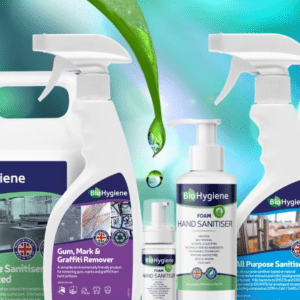
One of the smartest ways to save is by using concentrated cleaning products like BioHygiene. These formulas are meant to be diluted, which means each bottle lasts significantly longer than ready-to-use alternatives.
For instance:
- A single 5-litre bottle of concentrate can often yield over 100 litres of solution.
- Fewer deliveries mean lower transport costs and a smaller environmental footprint.
Combine these with microfibre cloths instead of disposable wipes. Microfibre is reusable, highly absorbent, and can cut down chemical use by up to 90%.
1
–
Durable Tableware and Cutlery: Think Long-Term
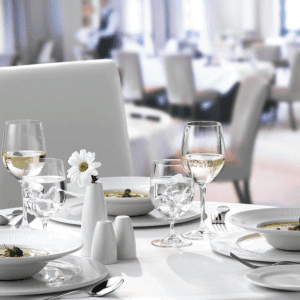
Replacing broken plates, chipped glasses, and bent cutlery can really add up over time. That’s why investing in high-quality, durable tableware is a smart move for the long haul. Keep an eye out for:
- Tempered glassware that can withstand breakage
- 18/10 stainless steel cutlery designed for heavy use
- Vitrified porcelain crockery that hold up well under heat and pressure
While the initial cost might be higher, you could cut replacement rates, plus, a premium presentation often leads to happier guests and more repeat business.
2
–
Use Polycarbonate and Melamine Alternatives
In bustling, outdoor, or casual dining settings, think about:
- Polycarbonate drinkware: Shatterproof, dishwasher-safe, and can last up to 1,000 washes
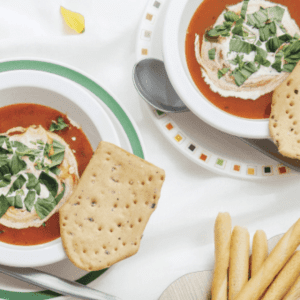
- Melamine crockery: Lightweight, durable, and resistant to stains
These materials mimic the look of glass or ceramic but can handle drops, which helps lower breakage costs and safety worries. They’re ideal for pubs, cafes, school dining, and garden service areas.
3
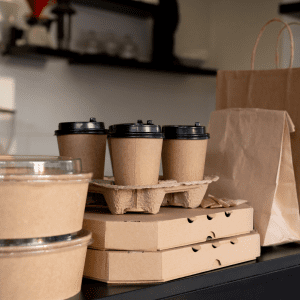 Sustainable Disposables: Cut Down on Waste Fees
With the rise in demand for takeout and outdoor dining, many places are turning to disposables. Opting for compostable, recyclable, or paper-based options benefits you in two ways:
- It meets your customers’ expectations for sustainability
- It helps lower waste disposal costs, which are climbing due to landfill taxes
Look for:
- Paper straws instead of plastic ones
- Compostable cutlery, pizza boxes, and containers
- Napkins made from recycled materials
4
–
Energy-Efficient Appliances: Lower Running Costs All Year
Energy bills can be one of the biggest controllable expenses in any hospitality business. Switching to energy-efficient catering equipment can really help cut down those monthly bills. Look for:
- A-rated refrigeration units: They can be up to 70% cheaper to run compared to F-rated models
- Induction hobs: They heat pans directly, which reduces energy waste and cooling needs
- Eco-mode warewashing: They use less water and power per cycle
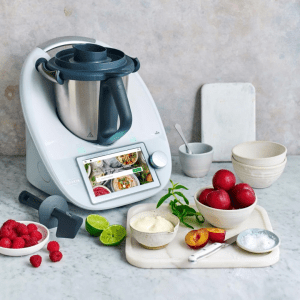
- All-in-one tools: Can replace several appliances in one go, saving on usage and kitchen space.
5
Energy Saving Tips
Even if you’re not ready to swap out your appliances just yet, tweaking how you use them can lead to immediate savings. Here are some simple habits that won’t cost you a dime but can make a significant impact:
- Power down unused devices: Skip standby mode and unplug appliances when they’re not in use.
- Cover your pans and lower the heat: This can cut energy consumption by as much as30%.
- Ensure proper ventilation for your fridge: Keep it away from heat sources and clean the coils regularly.
- Do laundry and dishes in batches: Only run your dishwasher and washing machine when they’re full.
- Make the switch to LED lights: They last longer and use 80% less energy compared to halogen bulbs.
According to the Energy Saving Trust, just adjusting your thermostat by a single degree can save you up to £170 a year. Every little bit helps!
Our Latest News
View newsHow to Update Your Autumn/Winter Table with the New GenWare Collection
As autumn arrives, it is the perfect time to give your tables a seasonal refresh. Almost half (49%) of
View articleThe Best Bowls for Serving Soups, Stews & Winter Menus
As autumn arrives, soups, stews and warming dishes start returning to menus across the UK. Soup is the UK’s
View articleSchool & University Catering Equipment: What Do You Need for the New Academic Year?
The new academic year brings millions of students back to schools, colleges and university campuses across the UK. In higher
View article