
What Is Melamine? Benefits, Uses and Why Hospitality Businesses Choose It
Melamine tableware has become one of the fastest-growing choices in foodservice, with industry experts noting that melamine is now used across almost every hospitality sector due to its durability, lightweight design and ability to replicate premium crockery finishes. From restaurants and hotels to care homes, schools and catering venues,
Melamine tableware has become one of the fastest-growing choices in foodservice, with industry experts noting that melamine is now used across almost every hospitality sector due to its durability, lightweight design and ability to replicate premium crockery finishes. From restaurants and hotels to care homes, schools and catering venues, businesses are increasingly choosing melamine tableware as a practical alternative to traditional crockery.
But what is melamine, and why has it become such a popular choice throughout the hospitality industry? In this blog, we’ll explore what it is, its key benefits, where it is used and why many hospitality businesses continue to invest in commercial melamine tableware.
 What Is Melamine?
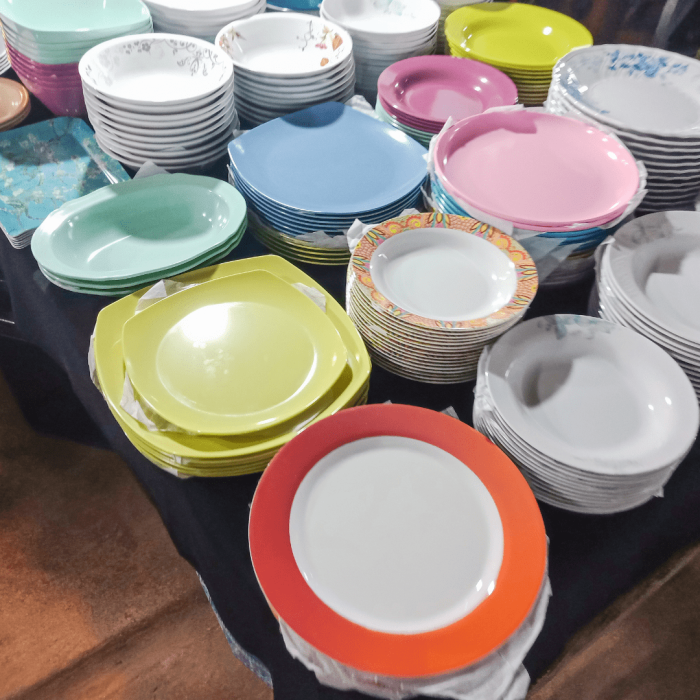
Melamine is a hard-wearing material made by combining resin with strengthening compounds. The result is a lightweight yet durable product that can be moulded into plates, bowls, trays, serving dishes and buffet display items.
Modern melamine tableware is designed to replicate the appearance of porcelain, stoneware, wood and other premium materials. However, it offers much greater resistance to chips, cracks and breakages.
This combination of style and durability makes it a popular choice for commercial foodservice environments.
What Is Melamine Tableware Used For?
Melamine tableware is used throughout the hospitality industry for serving food, displaying dishes and presenting buffet items.
Common products include:
- Plates
- Bowls
- Platters
- Serving trays
- Buffet display dishes
- Salad bowls
- Display risers
- Counter service trays
–
What Are the Benefits of Melamine Tableware?
Exceptional Durability
One of the biggest advantages of melamine tableware is its durability. Unlike traditional crockery, it is highly resistant to chips, cracks and breakages. This makes it ideal for busy commercial environments. For venues serving hundreds of customers each day, durability can help reduce replacement costs over time.
Lightweight and Easy to Handle
Melamine is much lighter than porcelain and stoneware. As a result, staff can carry larger loads more comfortably and safely. This can improve efficiency during busy service periods while reducing the risk of accidents. Lightweight tableware is also beneficial for self-service environments and outdoor dining areas.
Professional Appearance
Modern melamine products are designed to look like premium tableware. Many collections feature textured finishes, natural colours and contemporary designs that closely resemble ceramic or stoneware products. This allows venues to create an attractive table setting without compromising on durability.
Cost-Effective Solution
Replacing broken crockery can become expensive, particularly in high-volume environments. Because it lasts longer and breaks less often, many hospitality businesses view it as a cost-effective investment.
Dishwasher Safe
Most commercial melamine tableware is dishwasher safe, making cleaning quick and convenient. This helps businesses maintain high hygiene standards while saving valuable time in busy kitchens. However, always follow the manufacturer’s care instructions.
Is Melamine Safe for Food?
Yes, melamine tableware is considered safe for serving food when manufactured to food-safe standards. Commercial melamine products are widely used throughout the hospitality sector and are designed specifically for food service applications. However, it should not be used in microwaves or conventional ovens. High temperatures can damage the material and affect its performance. For hot food service, melamine performs well under normal hospitality conditions, but it should always be used according to the manufacturer’s guidelines.
Which Hospitality Venues Use Melamine Tableware?
Restaurants and Cafes
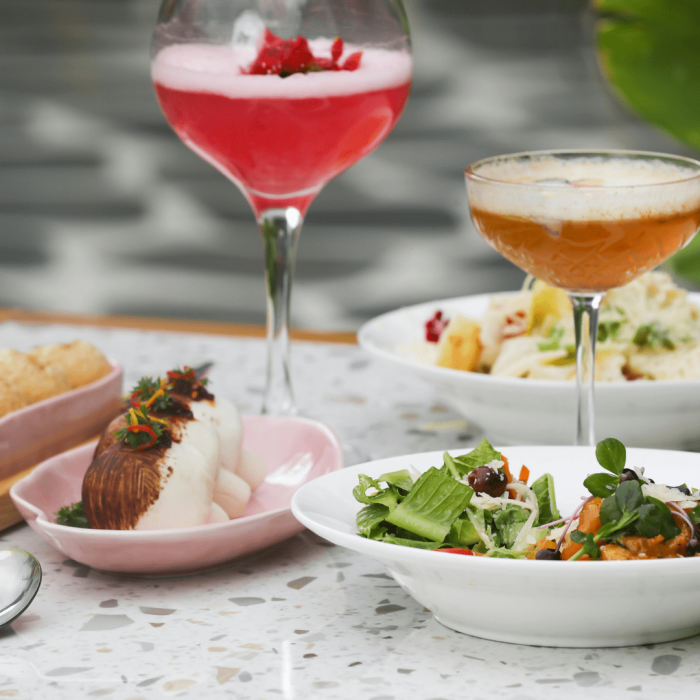
Restaurants and cafes often use melamine serving dishes, buffet platters and display items to create attractive food presentations while reducing the risk of breakages.
Hotels
Hotels frequently use melamine products in breakfast buffets, conference catering and room service operations. Its durability makes it ideal for high-volume service areas.
Pubs and Bars
Busy pubs and bars benefit from melamine’s lightweight construction and resistance to damage. This is particularly useful in outdoor seating areas and beer gardens.
Care Homes and Healthcare Settings
Many care homes and healthcare facilities choose melamine because it is lightweight, durable and easy to handle. This can help improve safety for both staff and residents.
Schools, Colleges and Universities
Educational catering environments often require practical solutions that can withstand daily use. Melamine tableware provides a durable option for high-traffic dining areas.
Outdoor Events and Catering
Outdoor catering businesses, festivals and event venues often rely on melamine because it is less likely to break during transport and service.
Melamine vs Porcelain: Which Is Better?
The choice between melamine and porcelain depends on the application. Porcelain offers a premium feel and can withstand higher temperatures. However, it is heavier and more likely to chip or break. It provides greater durability, lower replacement costs and easier handling. For many hospitality venues, these benefits outweigh the advantages of traditional porcelain. Businesses often use both materials throughout their operation, selecting the most suitable option for each service area.
Our Latest News
View newsHow to Transform Your venue with Zafferano Cordless Table Lamps
Great food and service will always matter, but the atmosphere can shape the whole dining experience. In fact, 39%
View articleHow to Update Your Autumn/Winter Table with the New GenWare Collection
As autumn arrives, it is the perfect time to give your tables a seasonal refresh. Almost half (49%) of
View articleThe Best Bowls for Serving Soups, Stews & Winter Menus
As autumn arrives, soups, stews and warming dishes start returning to menus across the UK. Soup is the UK’s
View article