
Back to the Office: How to Keep Your Workplace Clean, Safe, and Welcoming
More companies are calling staff back to the office, either full‑time or hybrid. Higher foot traffic means more germs, faster wear on facilities, and greater demand for cleaning schedules. A clean, fresh‑smelling, well‑stocked office boosts morale, reduces sickness, and makes a great impression on clients. It’s no longer speculation that
More companies are calling staff back to the office, either full‑time or hybrid. Higher foot traffic means more germs, faster wear on facilities, and greater demand for cleaning schedules. A clean, fresh‑smelling, well‑stocked office boosts morale, reduces sickness, and makes a great impression on clients.
It’s no longer speculation that offices are filling up again. The average UK office occupancy reached around 37.8% in late March 2025, the highest level since the pandemic began. By mid‑July, it climbed even further to 39.6% a new post‑lockdown high.
Meanwhile, workplace expectations are rising. 78% of office‑based companies now require employees to be in the office at least three days a week, and 32% mandate full five‑day attendance.
Even more striking, a survey revealed that nearly 48% of UK businesses expect full-time on-site working in the year ahead, up from just 27% in 2023.
Why This Matters Now
- Illness Prevention: Higher workplace density increases the risk of flu, cold, and stomach bugs.
- Employee Comfort: Walking into a well-cleaned, well-stocked office helps workers feel cared for.
- Brand Image: A fresh- and tidy-looking workspace reflects professionalism, great for impressing clients or visitors.
- Operational Efficiency: Cleanliness reduces breakdowns and maintenance costs over time.
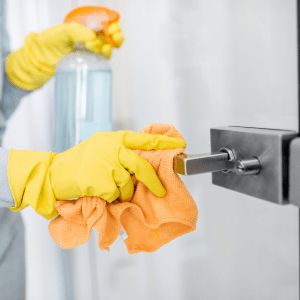
1. Clean High-Touch Hotspots Consistently
Areas like desks, door handles, lifts, and shared equipment are germ magnets. Studies show an average office desk holds millions of bacteria, often hundreds of times more than a toilet seat.
Action steps:
- Use surface sprays for fast, effective cleaning.
- Keep microfibre cloths nearby for streak-free wiping that lasts wash after wash.
- Provide surface wipes in shared zones, easy access encourages use.
Make it a habit to wipe down these hotspots daily. Place supplies strategically in reception, break areas, and conference rooms.
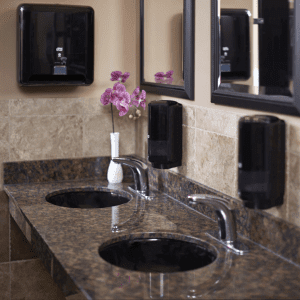
2. Keep Washrooms Spotless and Stocked
Dirty restrooms are a quick way to put people off. Regular checking and cleaning help avoid that.
Must-haves:
- Install bulk toilet rolls and ensure dispensers stay filled.
- Use reliable hand‑soap and sanitiser refills at all washbasins.
- Apply washroom deep‑clean solutions weekly to prevent odours and germs.
Plan for a quick in-and-out clean mid‑morning or just before peak usage hours, then a full deep clean at least weekly.
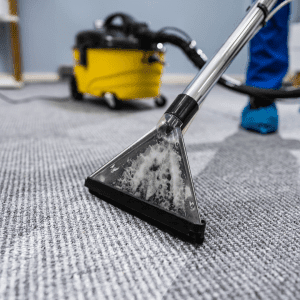
3. Freshen Office Air and Reduce Dust
After time away, offices can gather dust in vents and carpets. Clean air supports health and sharp thinking.
To do:
- Treat carpets with carpet cleaning solutions and vacuum regularly.
- Use odour-neutralisers in meeting rooms, kitchens, and common areas.
- Encourage keeping windows open where possible for natural ventilation.

4. Sanitise Kitchen and Break Room Spaces
With more people in the office, kitchens and breakout zones see more spills and crumbs.
Use these products:
- Multi-surface cleaners for surfaces like tables and fridges.
- Degreasing sprays for sticky spots around kettles and microwaves.
- Disinfectants for any shared utensils or preparation areas.
Visual prompts like “Please wipe after use” signs can reinforce a clean culture among staff.

5. Schedule Routine Deep Cleaning
Daily cleaning can’t reach everything, especially floors, upholstery, or behind heavy furniture.
Deep-clean essentials:
- Floor stripper and polish for hard floor areas.
- Heavy-duty bin liners to simplify waste disposal.
- Stain removers crafted for carpets and fabric chairs.
Quarterly or monthly deep cleans keep long-term wear at bay and maintain a fresh feel.
6. Encourage Staff Participation
Cleanliness shouldn’t fall on one team’s shoulders; it’s a collective effort.
How to involve everyone:
- Install hand sanitiser stations near lifts and entrances.
- Supply desk wipes so employees can tidy their own spaces.
- Use simple, friendly reminders like: “Leave the room as you’d like to find it.”
Employees engaged in hygiene upkeep feel more ownership over workspace wellbeing.
Our Latest News
View newsHow to Choose the Right Commercial Cleaning Chemicals for Your Business
Choosing the right cleaning chemicals for your business is about more than just picking products off the shelf. It also
View articleHow to Clean Care Homes Effectively: A Practical Guide for Managers and Staff
Maintaining a clean and hygienic care home is essential for resident safety, comfort and wellbeing. In a residential setting, cleaning
View articleAutumn Leaf Fall: Gutter, Drain & Exterior Cleaning for UK Businesses
As autumn arrives in the UK, falling leaves create more than just picturesque scenery, they can cause real problems for
View article