
How to Achieve a 5 Star Food Hygiene Rating for Your Restaurant, Takeaway or Cafe
According to the Food Standards Agency, over 90% of food businesses in England, Wales and Northern Ireland achieve a food hygiene rating of 3 or above, showing how important hygiene standards are across the hospitality industry. For restaurants, cafes and takeaways, your food hygiene rating can influence far more
According to the Food Standards Agency, over 90% of food businesses in England, Wales and Northern Ireland achieve a food hygiene rating of 3 or above, showing how important hygiene standards are across the hospitality industry.
For restaurants, cafes and takeaways, your food hygiene rating can influence far more than compliance. It can affect customer trust, online reviews and whether new customers choose your venue.
Today, many customers actively check food hygiene ratings before ordering food or booking a table. A poor score can quickly damage confidence. On the other hand, a 5 star rating shows customers that your business takes cleanliness, food safety and hygiene seriously.
Whether you are opening a new venue or improving your current score, understanding how to get a 5-star rating is essential for long-term success.
 –
–
What Is a Food Hygiene Rating?
The Food Hygiene Rating Scheme is run by the Food Standards Agency and local authorities across the UK. It measures how well food businesses manage food safety and hygiene.
You can view the official scheme here: Food Hygiene Rating Scheme Official Website
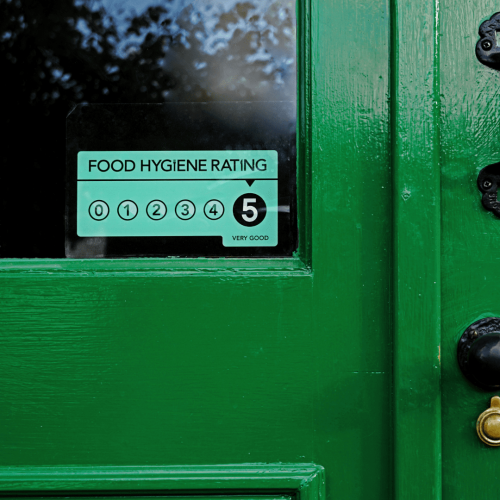
During an inspection, Environmental Health Officers check several areas of your business. They then award a rating from 0 to 5.
Food hygiene rating 1 to 5 explained:
- 5 – Very good
- 4 – Good
- 3 – Generally satisfactory
- 2 – Improvement necessary
- 1 – Major improvement necessary
- 0 – Urgent improvement necessary
A rating of 5 is the highest possible score. It shows your venue follows strong food safety procedures and maintains excellent hygiene standards.
–
Why a 5 Star Food Hygiene Rating Matters
Achieving a 5 star food hygiene rating offers several benefits for hospitality businesses. Firstly, it builds customer confidence. Diners want reassurance that food is prepared safely and hygienically. Secondly, it can improve your reputation online. Hygiene ratings often appear on Google, food delivery apps and review platforms. Customers may avoid businesses with lower scores. Finally, strong hygiene standards can improve efficiency inside your kitchen. Clean and organised environments reduce risks, support staff and help venues stay inspection-ready.
How Food Hygiene Inspections Work
Environmental Health Officers usually inspect:
- Food handling processes
- Kitchen cleanliness
- Staff hygiene
- Temperature control
- Cleaning schedules
- Pest prevention
- Waste management
- Food storage
- HACCP procedures
- Record keeping
Inspectors also review the condition of your premises, equipment and workflows. Even small issues can affect your score, therefore, consistency matters every day, not just before an inspection.
How to Achieve a 5 Star Food Hygiene Rating
If you are wondering how to achieve a 5 star food hygiene rating, focusing on daily standards is the best approach.
Keep Cleaning Standards Consistent
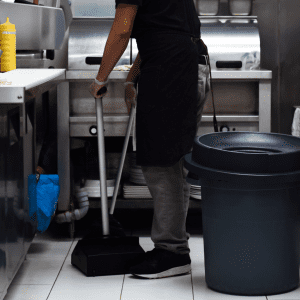
Cleaning is one of the biggest factors in any inspection. Dirty equipment, grease build-up and poor sanitation can quickly lower your score. Create clear daily cleaning schedules for:
- Kitchen surfaces
- Cooking equipment
- Refrigeration units
- Storage shelves
- Floors and drains
- Washrooms
- Touchpoints
Using professional cleaning products also helps maintain standards across busy service periods. Products such as commercial cleaning chemicals, degreasers, sanitisers and janitorial supplies can support safer cleaning routines in hospitality environments.
Colour-coded cleaning systems also help reduce cross-contamination risks between food preparation areas. Using separate colour-coded cleaning equipment, along with reliable mops and buckets, cleaning cloths can help restaurants, cafes and takeaways maintain cleaner and safer kitchens every day.
Train Staff Properly

Staff training plays a major role in food hygiene rating 5 inspections. Employees should understand:
- Hand washing procedures
- Safe food storage
- Cross contamination prevention
- Temperature checks
- Cleaning responsibilities
- Allergen awareness
Even the cleanest kitchen can lose marks if staff do not follow proper hygiene procedures.
Refresher training should happen regularly, especially for new team members.
Focus on Food Storage and Temperature Control
Temperature control is another common issue during inspections. Make sure chilled foods stay below legal temperature limits. Hot food should also remain at safe serving temperatures. Clearly label all food products and use date rotation systems. This reduces waste and improves food safety compliance. Good storage practices include:
- Keeping raw and cooked foods separate
- Storing cleaning chemicals away from food
- Using sealed containers
- Monitoring fridge temperatures daily
Products such as food storage containers, shelving systems and temperature monitoring equipment can help maintain safer kitchens.
Maintain a Clean Front of House
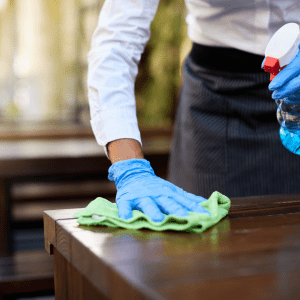
Food hygiene inspections do not only focus on kitchens. Inspectors may also review customer-facing areas, including washrooms, dining spaces and counters.
Dirty washrooms or overflowing bins can negatively affect customer perception and inspections. Regular cleaning of tables, menus and touchpoints is essential, especially during busy periods. Hospitality businesses can improve standards with:
Create a Food Hygiene Rating Checklist
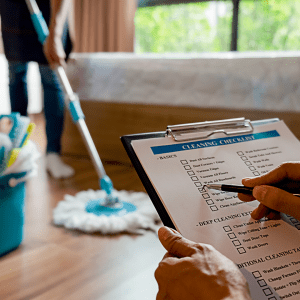
One of the easiest ways to improve standards is to create a daily food hygiene rating checklist. This helps staff stay consistent across every shift. Your checklist could include:
- Sanitising food prep surfaces
- Checking fridge temperatures
- Emptying waste bins
- Cleaning floors and drains
- Restocking washroom supplies
- Logging deliveries
- Checking hand wash stations
Small daily actions often make the biggest difference during inspections.
For the most accurate and up-to-date information about the Food Hygiene Rating Scheme, please visit the official Food Standards Agency website: Food Standards Agency
Our Latest News
View newsHow to Transform Your venue with Zafferano Cordless Table Lamps
Great food and service will always matter, but the atmosphere can shape the whole dining experience. In fact, 39%
View articleHow to Update Your Autumn/Winter Table with the New GenWare Collection
As autumn arrives, it is the perfect time to give your tables a seasonal refresh. Almost half (49%) of
View articleThe Best Bowls for Serving Soups, Stews & Winter Menus
As autumn arrives, soups, stews and warming dishes start returning to menus across the UK. Soup is the UK’s
View article