
Workplace Hay Fever: Cut Pollen with Better Cleaning
Seasonal allergies aren’t just personal nuisances; they’re a serious workplace issue. In the UK, almost 1 in 4 adults suffer from hay fever during pollen season (March–September). That means half of your team could experience itchy eyes, sneezing, or fatigue at work. Even more concerning is the impact on business: hay
Seasonal allergies aren’t just personal nuisances; they’re a serious workplace issue. In the UK, almost 1 in 4 adults suffer from hay fever during pollen season (March–September). That means half of your team could experience itchy eyes, sneezing, or fatigue at work.
Even more concerning is the impact on business: hay fever costs UK employers roughly £324 million annually, with productivity dropping by up to 40% during peak months . Additionally, 42% of sufferers reported missing work in the past year due to allergy symptoms.
That’s why a tailored cleaning plan matters. With the right strategy, you can transform your office into an allergen-safe zone. Plus, you’ll boost staff wellbeing and overall business performance.

Keep Pollen Where It Belongs
First, reduce pollen entry. Keep windows and doors closed on high pollen days (typically March to September). Use entrance mats to trap outdoor allergens. Then sweep and wipe down windowsills, door frames, blinds, and matting daily.
Equip your team with microfibre cloths, they’re perfect for trapping pollen without spreading it. Traditional dusting often worsens the problem. Instead, swap feather dusters for electrostatic or damp microfibre cloths, which capture particles rather than scatter them.

Enhance Indoor Air Quality
Even with prevention, pollen will sneak inside using standalone purifiers helps capture fine allergens.
Don’t forget air ducts and fan vents. When clogged with dust or pollen, these can recirculate particles across your workspace. Schedule routine maintenance to keep them clean and efficient. so regular vacuuming is vital. Opt for vacuums with sealed bags and HEPA filtration, such as Henry models using the HEPA-Flo bags mentioned above.
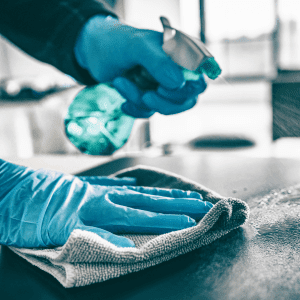
Choose Allergy-Friendly Cleaners
Chemical irritants can aggravate hay fever. Many cleaning products emit VOCs or perfumes that trigger respiratory responses, even in non-sufferers. Select unscented, eco-certified cleaners. We offer a range of professional-grade, fragrance-free solutions that are effective yet gentle on allergies:
- Check our Eco surface cleaner, including Maxima Green, Biohygiene, and Ecocover.
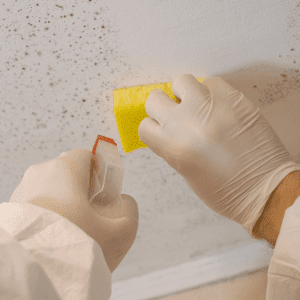
Tackle Mould & Damp
Mould spores rank high among indoor allergens and can worsen symptoms. Maintain good air circulation in kitchens, bathrooms, and near plants. Treat damp areas with an anti-mould spray.
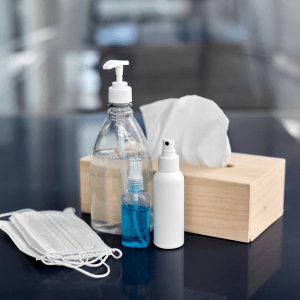
Support Staff with Hygiene Measures
Cleaning is only part of the picture. Help employees manage symptoms themselves. Provide desk hygiene kits that include hand sanitiser, tissues, and microfibre cloths, ideal for wiping keyboards, phones, and desks daily. Encourage staff to monitor daily UK pollen forecasts and allow optional remote work during high-pollen days.
Schedule Professional Deep Cleans
Quick daily cleaning does most of the work, but a deep clean every 4-6 weeks ensures thorough allergen removal. Include carpet cleaning, upholstery shampooing, and vent maintenance.
Our Latest News
View newsHow to Choose the Right Commercial Cleaning Chemicals for Your Business
Choosing the right cleaning chemicals for your business is about more than just picking products off the shelf. It also
View articleHow to Clean Care Homes Effectively: A Practical Guide for Managers and Staff
Maintaining a clean and hygienic care home is essential for resident safety, comfort and wellbeing. In a residential setting, cleaning
View articleAutumn Leaf Fall: Gutter, Drain & Exterior Cleaning for UK Businesses
As autumn arrives in the UK, falling leaves create more than just picturesque scenery, they can cause real problems for
View article